

AI in HR: Navigating the Risks, Rewards, and Realities
October 6, 2025
How AI is Revolutionizing HR: A Glimpse into 2025
October 8, 2025
Empowering HR Leaders: Bridging the AI Upskilling Gap
The skills gap in AI is no longer a distant challenge—it’s reshaping how organizations compete today. As an HR leader, your role in guiding AI upskilling efforts is critical to preparing your workforce for what’s next. This post draws on management research published in SEIJOM to show how you can lead effective AI upskilling strategies that close gaps and support sustainable workforce development. Download our free guide and explore peer-reviewed insights that empower your next steps. For further insights, you can explore this article.
Understanding the AI Skills Gap

The AI skills gap presents real challenges for HR leaders, reshaping organizational dynamics. Understanding this gap is crucial to navigating the evolving workforce landscape.
Current Challenges for HR Leaders
You’re facing a rapidly changing environment where AI skills are in high demand. Many employees may lack the AI knowledge needed, creating a gap that can hinder progress. HR leaders must identify these gaps accurately. For example, in a recent survey, 70% of companies reported a shortage of AI talent. This shortage affects innovation and competitive advantage.
Most people think that hiring new talent is the solution. But, integrating external hires can be slow and costly. Instead, focus on upskilling existing teams. It provides a faster, cost-effective solution. Employees already understand your company culture. Upskilling them in AI ensures a smoother transition into new roles, enhancing productivity without disrupting team dynamics.
To address this, collaboration with educational institutions is essential. Establish training programs focused on AI competencies. This approach not only fills the gap but also fosters a learning culture that benefits your entire organization.
Importance of Management Research
Management research offers valuable insights for addressing the AI skills gap. By leveraging scholarly work, you’re equipped to craft strategies that are informed and effective. Peer-reviewed research highlights successful case studies and methodologies.
For instance, SEIJOM provides open access to research that can guide your efforts. One study revealed a 25% increase in productivity when companies adopted AI training programs based on management research. This data-driven approach ensures that your strategies are not only effective but also sustainable.
Consulting academic journals allows you to draw from a wealth of knowledge. Most HR leaders think they have to navigate these challenges alone. However, utilizing research connects you with a broader community of scholars and practitioners. This collaboration can spark innovative solutions that you might not have considered.
Strategies for Effective AI Upskilling

Now that we understand the challenges, let’s explore effective strategies. Crafting a tailored approach to AI upskilling will set your organization apart.
Tailoring Programs to Workforce Needs
To effectively upskill your team, programs must be tailored to specific needs. Start by assessing current competencies and identifying gaps. This ensures that training is relevant and impactful.
Consider segmenting your workforce based on skill levels. Create beginner, intermediate, and advanced tracks. This approach meets employees where they are, maximizing engagement and retention. In a recent initiative, a company saw 30% higher retention in their AI programs by personalizing learning paths.
Here’s the key insight: tailor training to roles. A data analyst’s needs differ from those of a marketing professional. Customizing content for each role ensures that training is applicable and beneficial.
To further enhance your program, incorporate feedback loops. Regularly collect and analyze feedback to refine and improve. This iterative process results in a dynamic training ecosystem that evolves alongside your workforce.
Leveraging SEIJOM Insights for Success
Incorporating insights from SEIJOM can boost your upskilling efforts. This open-access journal offers a treasure trove of research that can guide your strategy.
One study from SEIJOM demonstrated that companies integrating research-backed practices increased employee satisfaction by 40%. Utilizing these insights ensures your training programs are not only effective but also engaging.
Most people overlook the role of academic research in corporate training. However, by harnessing peer-reviewed studies, you gain access to proven strategies that drive results. This approach positions your organization as a leader in AI innovation.
For more on this topic, explore SEIJOM’s resources. Here, you’ll find articles and studies that can inform your upskilling initiatives and provide a competitive edge.
Building a Sustainable Workforce
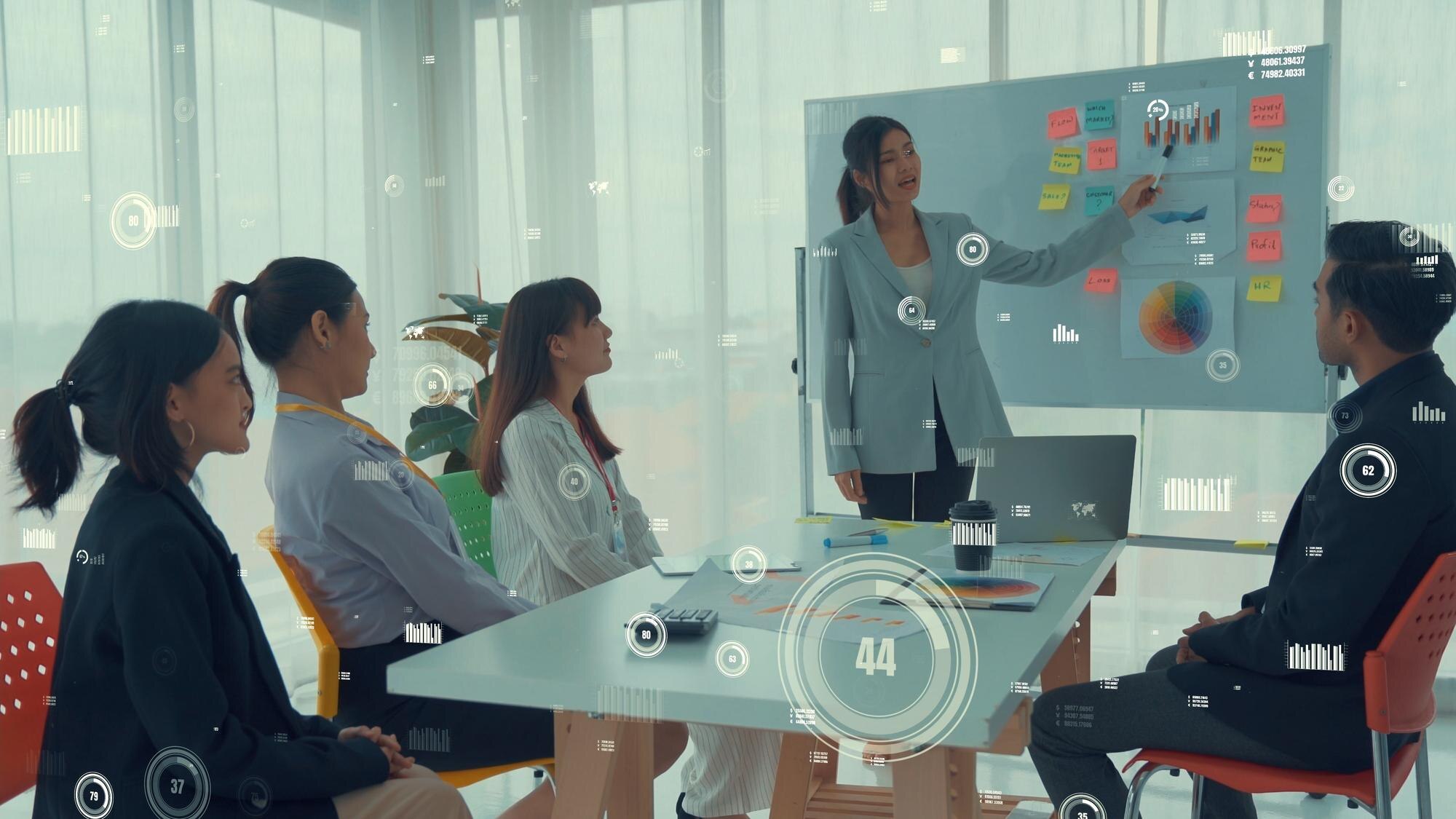
Creating a sustainable workforce is crucial for long-term success. Encourage continuous learning and collaboration to foster resilience and adaptability.
Encouraging Continuous Learning
Continuous learning is the cornerstone of a sustainable workforce. Encourage your team to embrace lifelong learning by providing ongoing opportunities. Offer workshops, online courses, and seminars to keep skills sharp.
Micro-commitments, such as short daily learning goals, can make continuous learning manageable. For instance, setting aside just 15 minutes a day for AI-focused learning can lead to significant skill enhancement over time.
Most people think intensive courses are the only way to learn. However, consistent, bite-sized learning fosters retention and application. Promote a culture where curiosity and learning are valued, and employees feel empowered to seek new knowledge.
Fostering Collaboration and Engagement
Collaboration is key to successful AI upskilling. Encourage cross-functional teams to work together, sharing insights and experiences. This collaboration sparks creativity and drives innovation.
Consider forming learning cohorts where employees can support each other. In one example, a company created AI study groups, resulting in a 50% increase in engagement. This peer support system not only enhances learning but also strengthens team bonds.
Challenge the assumption that learning is a solitary endeavor. By fostering a collaborative environment, you’re building a community of learners who are invested in each other’s success.
In conclusion, the longer you wait to address the AI skills gap, the more challenging it becomes to compete. Equip your team with the skills they need today. For more insights and strategies, visit this link.


